Chicken Road An In-Depth Look at Android Touch Response

The Intricacies of Chicken Road’s Android Touch Response
In the cutting-edge world of mobile gaming, user experience is paramount. One of the standout features of many popular games is their touch response capabilities, and Chicken Road is no exception. You can find more details about this game at Chicken Road Android Touch Response Testing https://chickenroadslot.co.nz/. This article delves deep into the Android touch response system used by Chicken Road, examining its components, how it enhances gameplay, and its impact on player engagement.
Understanding Touch Response in Mobile Games
Touch response in mobile gaming refers to how a game registers and reacts to user input via touch. Given the tactile nature of mobile devices, effective touch response is crucial for ensuring a seamless and enjoyable gaming experience. In games like Chicken Road, the touch response system is essential not only for navigation but also for enabling players to perform various in-game actions.
The Mechanics of Chicken Road’s Touch Response
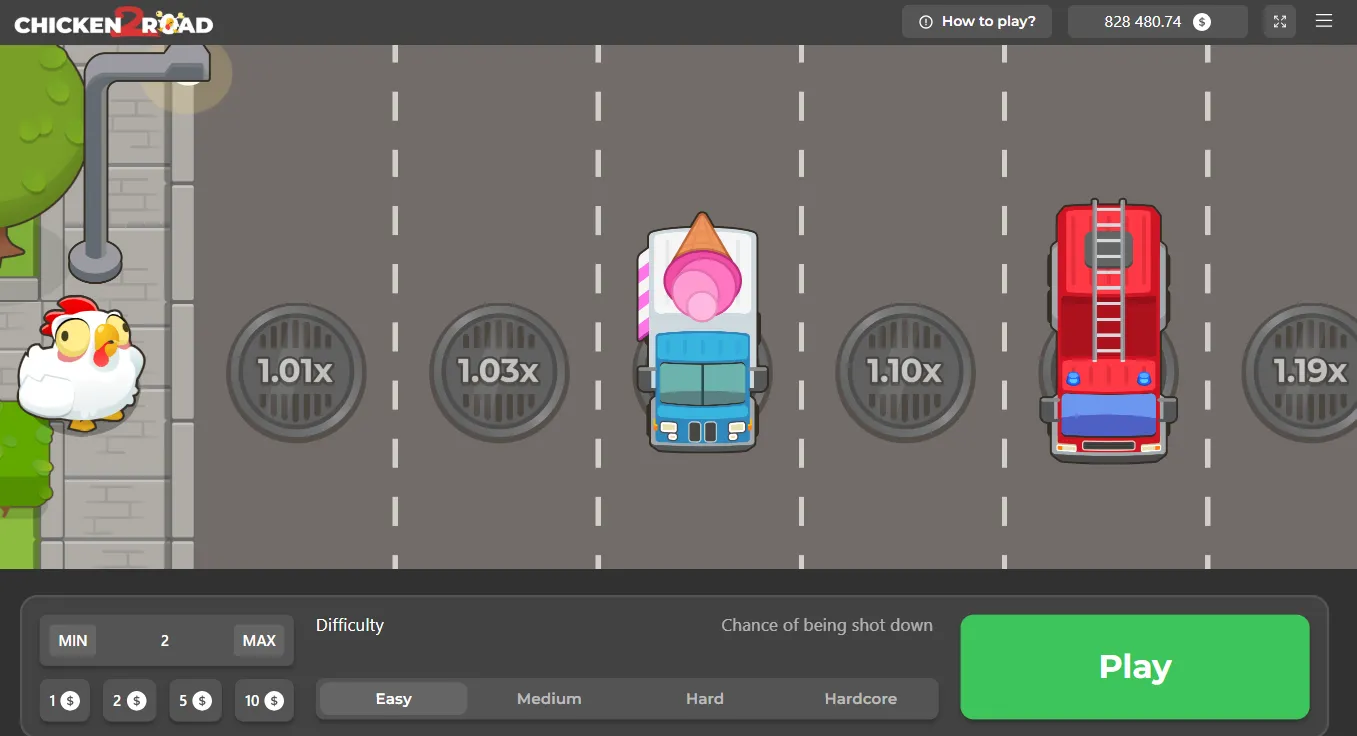
Chicken Road employs an advanced touch response system that enhances player engagement. The game is designed to respond instantly to user input, which means that players can feel their actions translate directly into in-game responses. This immediate interaction fosters a more immersive experience.
1. Tap and Hold Mechanics
One of the defining features of Chicken Road’s touch response is its tap and hold mechanics. Players can tap on the screen to jump, accelerate, or interact with objects in the game. Additionally, holding the screen can trigger special moves or power-ups. This dual method of engagement ensures that players have multiple ways to interact with the game, keeping the experience fresh and dynamic.
2. Multi-Touch Functionality
Chicken Road also supports multi-touch capabilities. This means that players can execute complex maneuvers, like swiping or pinching, to navigate around obstacles or manage in-game tasks more effectively. Multi-touch not only increases the game’s playability but also makes it more accessible, allowing both novice and experienced players to enjoy the action.
Feedback Mechanisms
Feedback is another critical component of touch response in mobile gaming. Chicken Road provides players with haptic feedback—subtle vibrations that occur when a player interacts with the game. This tangible response reinforces user input, causing players to feel more connected to the virtual environment. Additionally, audio feedback enhances the experience by providing auditory cues when certain actions are performed, further immersing players in the game.
The Importance of Calibration
Calibration is vital for any touch response system. Chicken Road incorporates settings that allow players to adjust the sensitivity of touch inputs according to their preferences. This means that whether a player prefers a more sensitive or a less responsive touch experience, they can customize the game to fit their needs. This versatility is crucial in maintaining user satisfaction and accessibility.
Designing for Various Device Screens
Another challenge for developers is ensuring that touch response works seamlessly across various device screens. Chicken Road has been designed to function efficiently on countless Android devices, regardless of screen size or resolution. The game’s interface scales appropriately, ensuring that the touch targets remain accessible and that the touch response is always accurate.
Touch Response Enhancing Player Engagement
The overall impact of an effective touch response system, such as that in Chicken Road, extends far beyond mere usability. It plays a significant role in enhancing player engagement. An enjoyable gaming experience is one where players feel empowered and in control. Chicken Road managers to achieve this through its quick and responsive touch mechanics, leading to increased retention rates and overall enjoyment.
Challenges and Future Directions
Despite the successes of Chicken Road’s touch response system, there are challenges to address. For example, maintaining touch responsiveness in high-action sequences can be demanding on device resources. As mobile technology continues to advance, future updates to Chicken Road may include even more optimized touch response features, taking advantage of newer hardware capabilities.
Conclusion: The Future of Touch Response in Mobile Gaming
As the mobile gaming landscape evolves, so too will the expectations for touch response systems. Games like Chicken Road exemplify how responsive and engaging touch mechanics can profoundly impact player experience. Moving forward, developers will need to continue refining these systems, ensuring they meet the demands of an increasingly discerning audience. In the end, a robust touch response not only makes a game enjoyable to play but also cultivates a lasting connection between players and the game world.