Understanding the psychology behind casino games What drives players to take risks
The Thrill of Uncertainty
One of the primary psychological factors driving players to engage with casino games is the thrill of uncertainty. The unpredictability of outcomes in games of chance, such as slot machines or roulette, creates a unique adrenaline rush. This sensation can often lead players to chase the excitement, where each spin or card dealt can result in a life-changing win. This unpredictable nature can hijack the player’s emotional state, compelling them to play repeatedly in search of that next high. As they play, they might find that playing online can enhance their experience; for instance, engaging in poker online real money offers both thrill and potential gains.
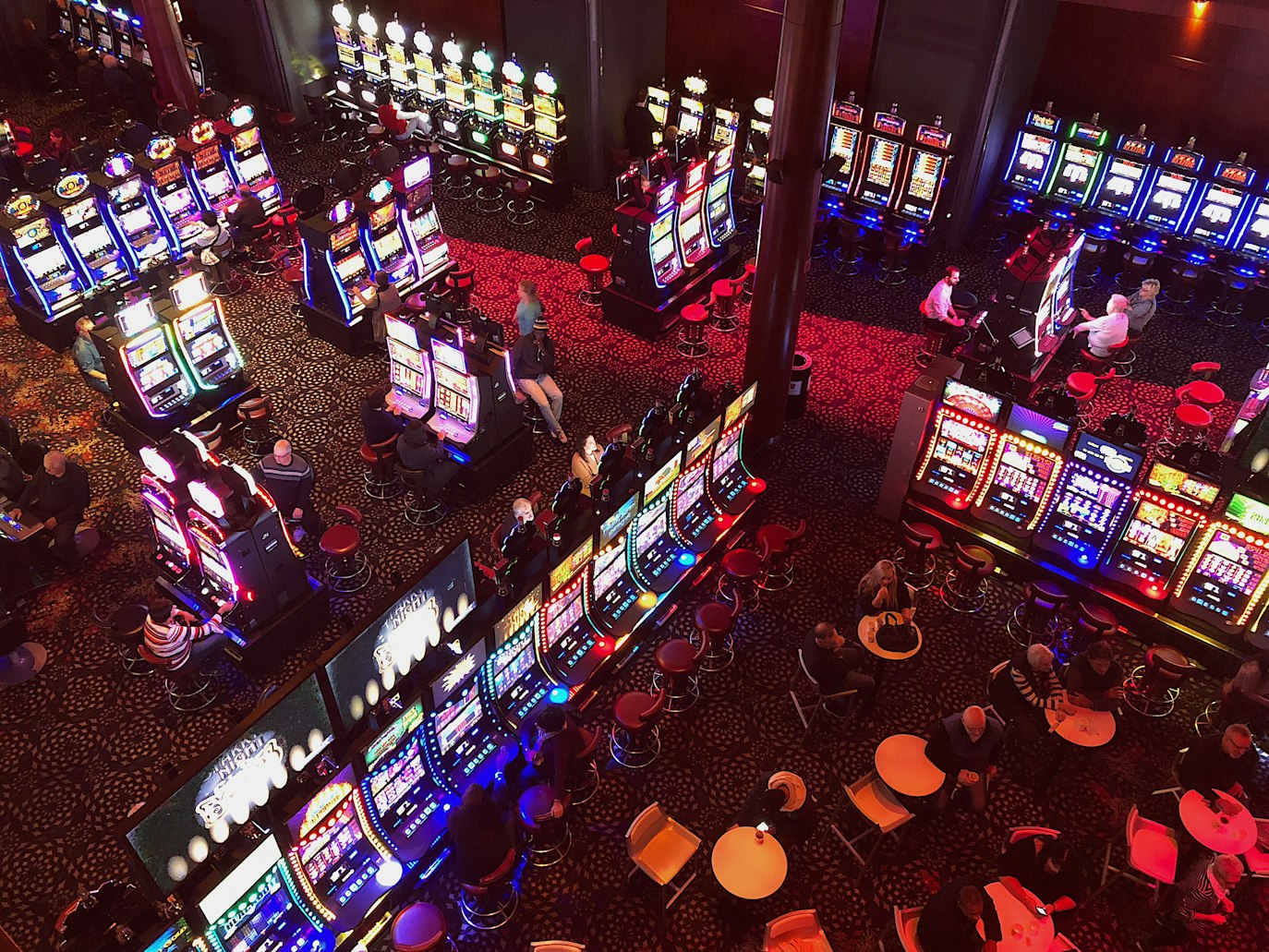
This thrill is not merely about financial gain; it often involves the chase itself. Players may find themselves drawn to the excitement of the unknown, which can lead to a heightened sense of engagement. The combination of risk and reward stimulates the brain’s pleasure centers, making the experience intoxicating, as players often report feelings of euphoria during gameplay, regardless of actual winnings.
Social Influences and Group Dynamics
Another critical aspect of the psychology behind casino gaming is the role of social interactions. Many players are influenced by their peers, seeking validation and camaraderie in group settings. This communal environment can amplify the excitement and risk-taking behavior as players share experiences, celebrate victories, and support one another through losses. The presence of others can significantly impact a player’s willingness to take risks, as they may feel emboldened in the company of fellow gamblers.
Moreover, the casino environment itself is designed to enhance this social aspect. Open spaces, shared gaming tables, and even the design of games encourage interaction. The psychological phenomenon known as “social proof” suggests that individuals are more likely to engage in risk-taking behaviors when they see others doing the same, hence why many choose to visit casinos with friends or family to enjoy the social atmosphere while gambling.
The Illusion of Control
The illusion of control is a fascinating psychological phenomenon that also plays a significant role in why players engage in risky behavior at casinos. Many gamblers believe they can influence outcomes in games of chance, such as poker or blackjack, through their skills or strategies. This belief can lead to overconfidence, causing players to take greater risks than they might otherwise consider sensible.
This false sense of control is often bolstered by players’ past experiences, where they may have enjoyed significant wins in the past. These memories can distort their perception of reality, leading them to believe that their actions can sway the odds in their favor. The struggle between chance and skill captivates players, compelling them to risk more for potentially greater rewards, further blending the lines between rational decision-making and emotional impulse.
The Role of Rewards and Reinforcement
Slot machines and other casino games are engineered to exploit the brain’s reward system. Variable reinforcement schedules, where wins come at unpredictable intervals, can create a powerful drive to continue playing. This setup leads players to anticipate rewards, fueling their desire to play more frequently and take larger risks, hoping to strike it lucky.
The psychological impact of rewards can also be tied to the concept of loss aversion. Players are motivated to recover losses and, in doing so, may take risks they wouldn’t typically consider. The drive to reclaim lost money can overshadow rational thoughts, pushing individuals deeper into the gaming world as they find themselves trapped in a cycle of risk-taking driven by the hope of eventual recovery and profit.

Exploring Your Investment Mindset
As you delve deeper into the psychology behind casino games, it’s essential to connect these insights with broader concepts, such as investment strategies. Understanding the factors that drive risk-taking can help you build a more comprehensive approach to managing your financial decisions. The environment created in casinos mirrors some aspects of the investment world, where emotional responses and psychological biases can heavily influence choices.
This exploration can enhance your understanding of both gaming and investing, offering valuable perspectives on decision-making under uncertainty. By recognizing the psychological elements at play, you empower yourself to make more informed choices, whether you’re at a casino or managing your investment portfolio, ensuring that your approach remains grounded in rationality rather than impulsivity.